
ในประเทศไทยเวลานี้ หนึ่งในปัญหาที่คนจำนวนมากรู้สึกร่วมกันคือวิกฤตเศรษฐกิจและค่าครองชีพที่สูงขึ้น เมื่อประกอบเข้ากับความเหลื่อมล้ำและปัญหาเชิงโครงสร้างอื่น ๆ เรื่องปากท้องจึงไม่ได้เป็นเพียงปัญหาทางเศรษฐกิจ แต่กำลังซ้อนทับกับปัญหาอีกหลายด้านในชีวิตของผู้คน ทุกวันนี้ไม่ว่าจะมองไปทางไหน เราจึงเห็นผู้คนจำนวนมากกำลังดิ้นรน ประคับประคองชีวิต และพยายามรักษาความมั่นคงที่เหลืออยู่ของตัวเองและครอบครัวเอาไว้ให้ได้นานที่สุด แต่ความยากลำบากไม่ได้เกิดขึ้นกับทุกคนในแบบเดียวกัน และสำหรับคนที่ถูกผลักให้อยู่ชายขอบของสังคมอยู่แล้ว ปัญหาหนึ่งมักไม่ได้มาเพียงลำพัง แต่มันซ้อนทับกับอีกปัญหาหนึ่ง โดยเฉพาะความเปราะบางทางเศรษฐกิจที่เกิดขึ้นควบคู่ไปกับผลกระทบจากสงคราม การหนีภัย และ/หรือการถูกบังคับให้ลี้ภัยจากประเทศเพื่อนบ้าน สงคราม การบังคับพลัดถิ่น ความเหลื่อมล้ำ และการแข่งขันแย่งชิงทรัพยากร ล้วนเชื่อมโยงกับความเปราะบางทางเศรษฐกิจและทำให้ผู้คนที่อยู่ในสถานะชายขอบต้องเผชิญกับความไม่มั่นคงในชีวิตหลายด้านพร้อมกัน
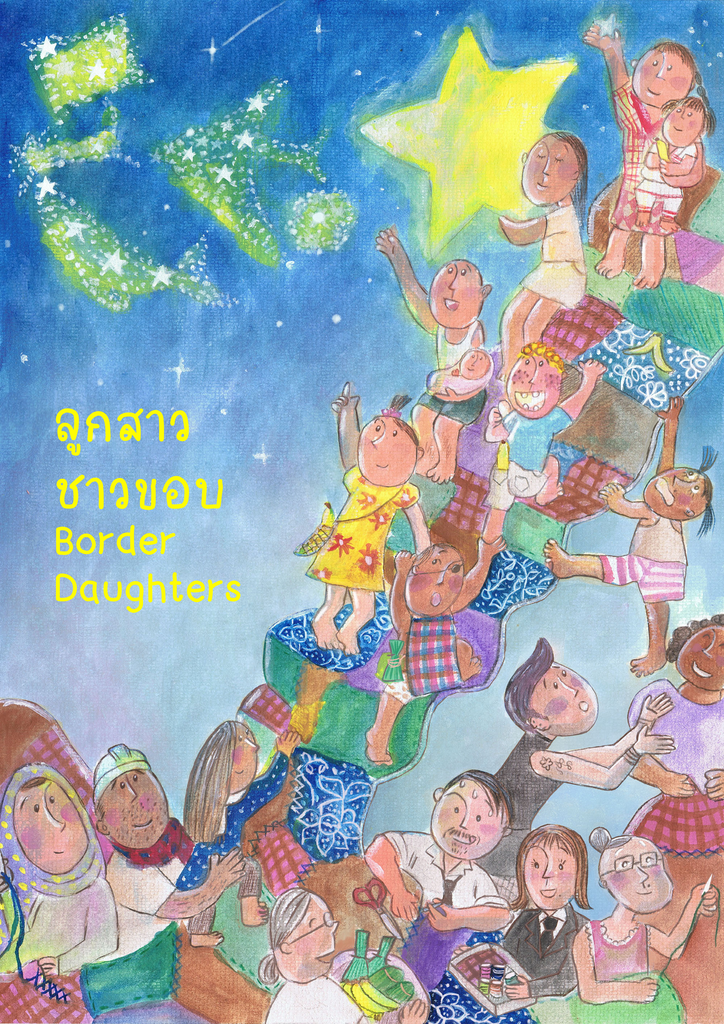
ท่ามกลางความยากลำบากที่เรามองเห็น จึงยังมีชีวิตของคนอีกจำนวนหนึ่งที่แทบไม่ปรากฏอยู่ในสายตาของสังคม พวกเขาแทบไม่เคยเป็นข่าว ไม่มีเรื่องเล่าบนหน้าสื่อ และบางครั้งคนที่อยู่ภายนอกพื้นที่อาจไม่รู้ด้วยซ้ำว่าเรื่องราวเหล่านี้กำลังเกิดขึ้นจริง “ลูกสาวชาวขอบ” หรือ Border Daughters คือเด็กและเยาวชนหญิงซึ่งเป็นลูกหลานของแรงงานข้ามชาติที่ใช้ชีวิตอยู่ในพื้นที่สามจังหวัดชายแดนภาคใต้ พวกเธอเป็นเด็กกลุ่มหนึ่งที่หิ่งห้อยน้อยและเครือข่ายในพื้นที่ได้รับรู้เรื่องราวและทำงานใกล้ชิดมาระยะหนึ่ง การเติบโตท่ามกลางเงื่อนไขที่ซ้อนทับกันหลายชั้น ทั้งความยากจน ความไม่มั่นคงทางเศรษฐกิจ สถานะบุคคลและข้อจำกัดในการเข้าถึงสิทธิต่าง ๆ ความไม่ปลอดภัยในพื้นที่ ตลอดจนความเสี่ยงต่อความรุนแรงทางเพศ การแสวงหาประโยชน์ และอาชญากรรมบางรูปแบบที่เกิดขึ้นกับเด็กและเยาวชน
ปลายเดือนสิงหาคม 2026 เมื่อเกิดเหตุการณ์ความไม่สงบมากกว่า 50 จุดในพื้นที่ยะลา ปัตตานี และนราธิวาส สิ่งที่คนภายนอกพื้นที่ได้ยินก่อนย่อมเป็นข่าวของเสียงระเบิดและเสียงปืน แน่นอนว่าเสียงเหล่านั้นมีความสำคัญอย่างยิ่งยวด ตลอดระยะเวลาหลายสิบปีที่ผ่านมาในสามจังหวัดชายแดนภาพใต้ ผู้คนจำนวนมากที่ยังคงได้รับผลกระทบ เจ็บปวด และใช้ชีวิตอยู่กับความรุนแรงที่เกิดขึ้นในพื้นที่และถูกทำให้เป็นข่าวความรุนแรงเช่นนี้จนกลายเป็นรูปแบบความรุนแรงที่สังคมภายนอกมองเป็นภาพจำที่ชาชินแต่ในขณะเดียวกัน ความรุนแรงที่มองเห็นและได้ยินอย่างชัดเจน ก็ทำให้กลบความรุนแรงอีกหลายรูปแบบที่กำลังเกิดขึ้นในพื้นที่เดียวกัน
เราพบว่าในพื้นที่เล็ก ๆ อย่างแคมป์ที่พักแรงงาน บ้านเช่าที่แบ่งเป็นห้องแถว แพปลา พื้นที่ก่อสร้าง และโรงเรียนยังมีเด็กผู้หญิงบางคนที่เป็นชาวมอญ เมียนมา กัมพูชา กำลังเติบโต เรียนรู้ ใช้ชีวิต มีเพื่อน มีความฝัน และพยายามจัดการกับชีวิตประจำวันของตัวเอง ขณะเดียวกันก็ต้องเผชิญกับความเสี่ยงบางอย่างที่คนส่วนใหญ่แทบไม่เคยมองเห็น ทั้งความยากจน สถานะและการเข้าไม่ถึงสิทธิต่าง ๆ ความรุนแรงทางเพศ การแสวงหาประโยชน์ และอาชญากรรม และเรื่องเหล่านี้กำลังเกิดขึ้นพร้อม ๆ กับความรุนแรงที่เราเพิ่งเห็นอยู่บนหน้าข่าว
หิ่งห้อยน้อยทำงานกับประเด็นทาบูและเรื่องอ่อนไหว พันธกิจหนึ่งของเราคือการสร้างพื้นที่ที่ทำให้เรื่องซึ่งพูดได้ยากสามารถถูกพูดถึงได้อย่างปลอดภัย ระหว่างปี 2026–2027 เราตัดสินใจเริ่มทำงานเชิงลึกผ่าน Border Daughters ร่วมกับเครือข่ายในพื้นที่ เพื่อเรียนรู้ว่าจะป้องกันและลดความเสี่ยงที่เกิดขึ้นกับเด็ก ๆ เหล่านี้ได้อย่างไร พวกเราทำงานผ่านการเรียนรู้ การสร้างทักษะและความรู้เรื่องสิทธิ การสร้างกลไกในการป้องกันและช่วยเหลือ รวมถึงทำให้เด็ก ๆ รู้ว่าเมื่อเกิดอะไรขึ้นกับตัวเอง เด็ก ๆ มีสิทธิที่จะขอความช่วยเหลือ และสามารถไปหาใครได้บ้าง ขณะเดียวกัน เราก็พยายามบันทึกเรื่องราวบางส่วนที่ผู้คนในสังคมไม่เคยถูกรับรู้ว่ามีสิ่งเหล่านี้เกิดในพื้นที่ โดยตั้งใจระมัดระวังไม่ให้การเล่าเรื่องของเรากลายเป็นการสร้างความเสี่ยงให้กับเด็กและมองพวกเธอว่าเป็นเพียงเหยื่อในโครงสร้างสังคมที่ไม่เป็นธรรมที่จะกลายเป็นภาพจำซ้ำ ๆ อีกครั้ง
เราจึงพยายามรักษาความปลอดภัย และให้ความสำคัญกับสิทธิ ศักดิ์ศรี ความเป็นส่วนตัว และ ความสุขในวัยเยาว์ของพวกเธอให้ได้มากที่สุด เพราะถึงแม้พวกเธอจะกำลังเติบโตอยู่ท่ามกลางเงื่อนไขที่ยากลำบาก ยากที่จะอธิบายได้โดยง่ายแต่พวกเธอก็ยังเป็นเด็กที่ควรมีพื้นที่สำหรับการเรียนรู้ มีเพื่อน มีความสุข มีความฝัน และมีโอกาสที่จะจินตนาการถึงอนาคตของตัวเอง Border Daughters จึงเป็นเพียงโครงการเล็ก ๆ ของหิ่งห้อยน้อยและเครือข่าย โดยที่เราไม่ได้คิดว่าโครงการหนึ่งจะสามารถแก้ไขปัญหาเชิงโครงสร้างทั้งหมดที่รายล้อมชีวิตของเด็กกลุ่มนี้ได้แต่พวกเราต้องการที่จะสร้างพื้นที่ ความรู้ เครื่องมือ ระบบการช่วยเหลือและเครือข่ายที่จะช่วยให้พวกเธอเติบโตอย่างปลอดภัยมากขึ้น รู้จักสิทธิของตัวเอง รู้ว่าจะขอความช่วยเหลือจากใครเมื่อเผชิญความเสี่ยง และมีทางเลือกในชีวิตของตัวเองเพิ่มขึ้น รวมถึงค่อย ๆ ทำให้เรื่องราวบางอย่างที่อยู่ไกลจากสายตาของสังคม ได้มีพื้นที่ให้ถูกรับรู้บ้าง
เราจึงอยากชวนทุกคนที่สนใจค่อย ๆ เปิดใจรับฟังเรื่องราวของ “ลูกสาวชาวขอบ” การทำงานและการเล่าเรื่องครั้งนี้จะอยู่บนหลักการสิทธิเด็ก การเคารพศักดิ์ศรี ความเป็นส่วนตัว และคำนึงถึงความปลอดภัยของเด็กทุกคนเป็นสิ่งสำคัญที่สุด หิ่งห้อยน้อยไม่ต้องการให้เด็กที่ถูกเงื่อนไขทางสังคมและโครงสร้างผลักออกไปอยู่ชายขอบ กลายเป็นเพียงเงาที่ไม่มีใครมองเห็นเพราะแม้ในพื้นที่จะยังคงมีเสียงระเบิดและเสียงปืนดังอยู่ เสียงเหล่านั้นก็สมควรถูกรับฟังและไม่ควรจะถูกกลบทับด้วยความรุนแรงที่ซ้อนกัน
ติดตามเรื่องราวและการทำงานของ Border Daughters ลูกสาวชาวขอบ ได้ผ่านทุกช่องทางของ หิ่งห้อยน้อย
Daughters of the Margins: Border Daughters
One of the struggles many people in Thailand are facing today is the economic crisis and rising cost of living. Combined with inequality and other structural problems, making ends meet is no longer simply an economic issue; it intersects with many other aspects of people’s lives. Everywhere we look, we see people struggling to get by, trying to hold their lives together and preserve whatever stability remains for themselves and their families for as long as possible. But hardship does not affect everyone in the same way. For people who have already been pushed to the margins of society, one problem rarely comes alone. Economic vulnerability, in particular, often exists alongside the consequences of war, displacement, and/or being forced to flee neighboring countries. War, forced displacement, inequality, and competition over resources are all connected to economic precarity, leaving marginalized people to navigate multiple forms of insecurity at the same time.
Amid the hardships we can see, there are also many lives that remain almost invisible to society. Their stories rarely make the news or appear in the media, and people outside these communities may not even know that these realities exist. “Border Daughters” refers to girls and young women from migrant worker families living in Thailand’s three southern border provinces. They are among the young people whose stories Hinghoy Noy and our local partners have come to know through our work in these communities. They are growing up amid multiple and overlapping conditions: poverty, economic insecurity, legal status and barriers to accessing rights and services, insecurity in the area, as well as risks of sexual violence, exploitation, and certain forms of crime affecting children and young people.
In late August 2026, when more than 50 incidents of unrest occurred across Yala, Pattani, and Narathiwat, what people outside the region heard first were reports of explosions and gunfire. Of course, those sounds matter enormously. For decades, people across Thailand’s southern border provinces have continued to experience pain and live with the consequences of violence. Yet this violence has been reported so repeatedly that, for people outside the region, it risks becoming a familiar image—something they have grown numb to. At the same time, violence that can be clearly seen and heard can also obscure many other forms of violence taking place in the very same communities.
In small spaces such as migrant worker camps, rows of rented rooms, fishing piers, construction sites, and schools, we encounter girls from Mon, Myanmar, and Cambodian communities who are growing up, learning, living their everyday lives, making friends, dreaming, and trying to navigate their own daily realities. At the same time, they face risks that remain largely unseen by the wider public: poverty, legal status and barriers to accessing rights, sexual violence, exploitation, and crime. All of these realities are unfolding alongside the violence that has recently appeared in the news.
Hinghoy Noy works on taboo and sensitive issues. One of our missions is to create spaces where difficult subjects can be spoken about safely. Between 2026 and 2027, we decided to deepen this work through Border Daughters, together with our local partners, to learn how we can prevent and reduce the risks these children face. Our work focuses on learning, building skills and knowledge about rights, and developing mechanisms for prevention and support. We want children to know that when something happens to them, they have the right to ask for help—and to know whom they can turn to. At the same time, we are trying to document some of the realities that wider society has rarely recognized as taking place in this region. We do so carefully, with the intention of ensuring that our storytelling does not create further risks for the children or reduce them to victims of unjust social structures, reproducing yet another limiting image of who they are.
We therefore try to prioritize their safety, rights, dignity, privacy, and the joy of childhood as much as possible. Although they are growing up amid difficult and complex circumstances that cannot easily be explained, they are still children who deserve spaces to learn, to have friends, to experience happiness, to dream, and to imagine their own futures. Border Daughters is only a small project by Hinghoy Noy and our network of partners. We do not believe that a single project can solve all of the structural problems surrounding these children’s lives. What we hope to do is create spaces, knowledge, tools, support systems, and networks that can help them grow up more safely; understand their rights; know where to seek help when they face risks; and have more choices in their own lives. We also hope, little by little, to create space for realities that have long remained beyond society’s field of vision to be seen and recognized.
We invite everyone who is interested to gradually open their hearts and listen to the stories of the “Border Daughters.” Our work and storytelling will be grounded in the principles of children’s rights, respect for dignity and privacy, and above all, the safety of every child. Hinghoy Noy does not want children who have been pushed to the margins by social and structural conditions to become mere shadows that no one sees. Because even while the sounds of explosions and gunfire continue to echo across the region, those sounds deserve to be heard and should not be overshadowed by the overlapping forms of violence around them.
Follow the stories and work of Border Daughters — ลูกสาวชาวขอบ through all of Hinghoy Noy’s channels.